Running-In Period Explained: How to Treat Your Electric Scooter in the First 1,000 KM
Published by VIDA
Read Time: 1 min 30 sec
Date: 09 November 26
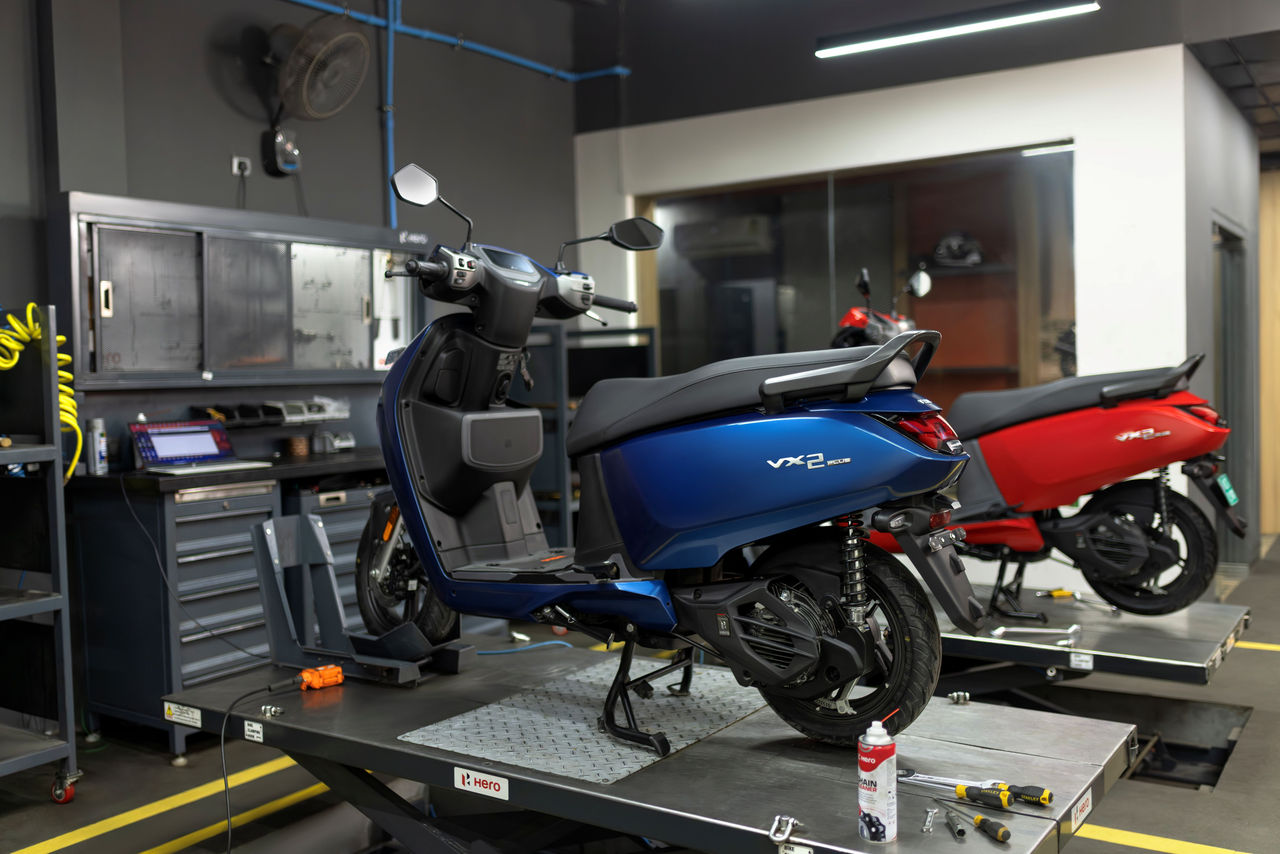
| Summary |
| Electric scooters skip engine break-in, but brakes, tyres and your riding habits still need settling. Here's how to treat your new EV in the first 1,000 km. |
You have just brought your new electric scooter home. You may want to take it out for a ride right away. But it is better to take it easy at first.
An electric scooter does not need engine break-in like a petrol scooter. However, the first 1,000 km still matter. Your brakes and tyres need time to settle, and you need time to get used to the scooter.
A smooth start can help you build safe riding habits and feel comfortable on your new scooter.
Do electric scooters need running-in?
Not in the same way as petrol scooters. The motor in VIDA EV scooters has fewer moving parts, so there is no engine break-in period.
However, the first 1,000 km still matter because:
- Brakes need to settle: New brake pads need time to bed in.
- Tyres need to settle: New tyres need time to develop full grip.
- You need to get used to the scooter: Take time to learn its throttle response and regenerative braking.
The motor is ready from the start, but riding gently during the first 1,000 km helps you get comfortable and ride safely.
What actually beds in on an electric scooter
Three things need some time to settle when you start riding a new electric scooter:
1. Brake pads need to settle
New brake pads need time to make full contact with the disc. During the first 300 km, this contact improves with normal braking.
- Use the brakes smoothly.
- Avoid repeated hard braking.
- Do not overheat new brake pads, as this can permanently reduce braking performance.
2. Tyres need to settle
New tyres have a smooth surface and may have a thin mould-release film. Moderate riding helps the surface wear in and improves grip.
- Ride smoothly for the first 150 km.
- Avoid sudden acceleration and hard braking.
- Take corners gently while the tyres develop full grip.
3. You need to get used to the scooter
Electric scooters deliver torque instantly. VIDA models produce 26 Nm, while ReGen braking through the two-way throttle may also feel new.
Use the first 1,000 km to learn the throttle, braking and ride modes, and build smooth riding habits.
| Tips and Hacks |
| Want to know how to break in a new electric scooter the right way? Focus on three things during the first 1,000 km. First, apply the brakes progressively; avoid sudden, hard stops while the pads are bedding in. Second, keep lean angles gentle for the first 150 km until tyre grip develops. Third, start in Eco or Ride mode to learn throttle response before exploring Sports mode. These habits protect your brakes from permanent heat damage, let your tyres develop full grip, and train your hands to modulate instant torque smoothly. A little patience early on pays off with better braking feel and safer cornering for thousands of kilometres ahead. |
How to ride during the first 1,000 KM
Follow these simple riding tips while your brakes, tyres and riding habits settle.
Throttle and acceleration
- Accelerate smoothly: Avoid sudden throttle inputs and holding full throttle for long periods.
- Start in Eco or Ride: These modes make it easier to get used to the scooter. The VIDA V2 Pro also offers Custom Mode, while the V2 Plus offers Eco, Ride and Sports.
- Use cruise control: The V2 Pro and V2 Plus offer cruise control from 30 to 60 km/h to help maintain a steady speed.
Braking
- Brake smoothly: Apply braking gradually and avoid repeated hard braking while the pads settle.
- Use ReGen: Rolling off the throttle activates regenerative braking, helping slow the scooter while reducing mechanical brake use.
Cornering
- Take corners gently: Keep lean angles low for the first 150 km while the tyres develop grip.
- Avoid sudden inputs: Accelerate and turn smoothly, especially on the first few rides.
Use the VIDA Edge app and display to track your speed, range and ride data. Check the user manual for model-specific guidance.
Charging and battery care early on
The first 1,000 km is a good time to build simple charging habits that support long-term battery health.
- Avoid extreme charge levels: Do not drain below 15% or leave the battery at 100% for long periods.
- Use the supplied charger: Charge the battery in the scooter, remove it and use a standard 5A socket, or use the 5,900+ fast-charging stations. Fast charging takes about 65 minutes from 0 to 80%.
- Charge in a ventilated space: Avoid enclosed areas with little or no airflow.
- Check your battery level: Use the VIDA Edge app to monitor charge status remotely.
VIDA removable batteries come with a 3-year/30,000 km warranty. The optional VIDA Extended Battery Warranty plan extends coverage up to 5 years/60,000 km, including degradation below 70% state of health.
What to watch and when to get it checked
During the first 1,000 km, check:
- Brakes: Get them checked if they feel spongy or make unusual noises.
- Sounds: Persistent rattling, grinding or vibrations need inspection.
- Tyres: Check pressure weekly and follow the owner's manual.
- Range: Track range across ride modes to spot unusual changes.
VIDA provides 3 free services (labour only): the first at 1,000 km or 1 month, whichever comes first. That timing aligns perfectly with the running-in period. Once you hit that milestone, book your first service at any of the 770+ VIDA Hubs and Hero MotoCorp dealerships nationwide.
The first 1,000 km on an electric scooter is less about babying the motor and more about respecting the mechanical parts that still need time. Bed your brakes gently, let your tyres find their grip, build smooth throttle habits, and establish a healthy charging routine. Do that, and you set yourself up for thousands of worry-free kilometres ahead. Ready to start your journey? Explore VIDA scooters and find the right fit for your commute.
FAQs
1. Do electric scooters have a running-in period?
Electric scooters need no engine break-in, but the first 1,000 km helps brakes bed in, tyres develop grip, and riders adapt to torque and ReGen.
2. How should I ride in the first 1,000 km?
Use smooth throttle inputs, start in Eco or Ride mode, brake progressively, and avoid full-throttle riding or sharp cornering while learning your VIDA EV scooter.
3. Do I need to break in the brakes and tyres?
Yes. Allow up to 300 km for brake bedding and about 150 km for new tyres to develop grip. Avoid hard braking and aggressive cornering.
4. How should I charge a new scooter during running-in?
Avoid draining below 15% or keeping the battery at 100% for long periods. Use the supplied charger in a ventilated area, through a 5A socket or fast-charging network.
5. When should I book the first service?
VIDA provides the first free service at 1,000 km or 1 month, whichever comes first. Book at any of its 770+ service centres.
6. What ride mode should I use during running-in?
Start with Eco or Ride mode for smoother acceleration. The VIDA V2 Pro also offers Custom Mode, while Sports mode is available on V2 and VX2 Plus.
7. How does regenerative braking help during the running-in period?
Regenerative braking (ReGen) gently slows the scooter while recovering energy. It reduces mechanical brake use, helping pads bed in gradually.