From Ganpati to Diwali: A Festive Season Checklist for Your Electric Scooter
Published by VIDA
Read Time: 1 min 30 sec
Date: 25th September 26
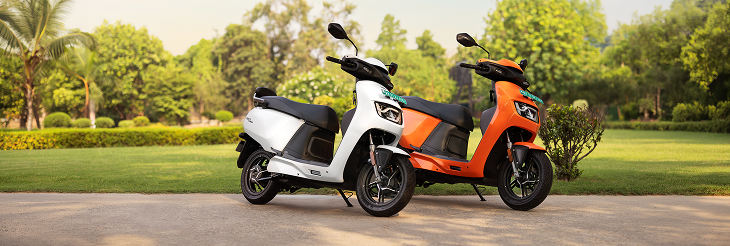
| Summary: A quick pre-festive inspection of your electric scooter's battery, tyres, brakes, and body keeps every pandal visit and Diwali outing smooth and worry-free. |
India has registered over 57 lakh electric vehicles to date, with electric two-wheeler sales growing 33% in the last financial year alone. Electric scooters are now a common sight on Indian roads, and that number keeps rising.
As the festive season arrives, from Ganesh Chaturthi through Navratri, Dussehra, and Diwali, these scooters see heavier use than usual. Pandal visits, late-evening rides to Diwali gatherings, family outings, and shopping trips through crowded city centres all put extra demand on your battery, tyres, and brakes. A quick check before the celebrations begin can prevent an unexpected breakdown on a day that matters.
Here's a simple festive-ready checklist, along with ride-planning tips and a prompt to book a service if one is due.
Why a Festive Check Matters
Festive weeks put extra demand on your electric scooter in ways a regular commute does not. Longer daily distances, frequent pillion riding, and heavier under-seat loads all accelerate normal wear on tyres and brakes. Rain-to-dry transitions at the tail end of the monsoon also add extra stress to battery charge cycles. A quick pre-festive inspection prevents breakdowns during the celebrations that matter most.
Worn tyre treads reduce grip on roads still damp from September showers. Low brake-pad thickness becomes a risk in stop-start Diwali traffic. An undercharged battery may not cover the extra kilometres a pandal-hopping evening demands. Most of these checks require no tools, just a visual inspection and a few minutes on the scooter.
The Complete Festive-Ready Checklist
Run through these three groups before your first festive ride of the season. Each takes a few minutes and covers the essentials for safe, comfortable scooter use from Ganpati through Diwali. They are split by what they protect, from battery and charging readiness to braking safety and overall exterior upkeep.
Battery and Charging
Your battery is the foundation of every festive ride. A few habits keep it healthy through weeks of heavier use.
- Charge to at least 80% before long outings: If your scooter supports two removable batteries, charge both packs overnight using any standard 5A household socket.
- Map your charging stops in advance: For rides beyond a single-charge range, identify fast-charging stations along the route. VIDA, powered by Hero MotoCorp, riders have access to 5,900+ stations across 450+ cities.
- Keep contacts dry and clean: Wipe battery terminals and charging ports with a dry cloth before plugging in, especially after rain rides. Following basic battery safety practices protects both the pack and the charger.
These three steps protect both your range and your battery's long-term health.
Safety, Tyres and Brakes
Your scooter's grip and stopping power matter most during crowded festive commutes.
- Inspect tyre pressure and tread depth: Under-inflated tyres reduce range and handling. Top up pressure to the recommended level and check treads for cracks or embedded debris.
- Test brakes before heading out: Squeeze both levers and check for firm feedback. Soft brakes need a service visit. The monsoon-to-festive overlap makes safe riding habits especially important.
- Verify lights, indicators, and mirrors: Confirm that the headlamp, tail lamp, and all four indicators work. Adjust mirrors for full rear visibility before evening pandal rides.
- Check the horn: Crowded festival routes need an audible warning. A quick test confirms it is working.
Every item takes less than a minute and reduces your risk on busy festive roads.
Cleaning and Comfort
A clean scooter lasts longer and rides better, especially after weeks of monsoon dust and splatter.
- Wash and dry the body panels: Mud and water spots from monsoon rides dull the finish and trap moisture. A gentle rinse followed by a dry wipe-down is enough.
- Clear out under-seat and front storage: Festive rides often involve pooja items, gift boxes, or extra clothing. Remove old debris to make room and prevent scratches.
- Wipe down the seat and footboard: Monsoon moisture can leave the seat slippery and the footboard grimy. A clean footboard gives your pillion a confident grip.
| Tip: After any rain ride during the monsoon-to-festive overlap, wait 15–20 minutes before charging. This gives the charging port and battery contacts time to dry fully, reducing the risk of moisture-related issues. |
Plan for Festive Rides and Traffic
Festive routes are busier and less predictable than your regular commute. Heavy traffic around pandal areas, rerouted streets during processions, and crowded Diwali market lanes all test your scooter's range and your patience. A little planning before each ride prevents delays and low-battery anxiety, so you arrive at every celebration relaxed.
Pre-charge the night before every outing and switch to Eco mode in stop-and-go traffic. A scooter like the VIDA VX2 Go 3.4 kWh, with 142 km IDC range, handles most festive routes without a mid-ride top-up. If your scooter offers turn-by-turn navigation through connected features, set your route before leaving to avoid detours.
Keep your scooter's roadside assistance number saved in your phone. Ride calmly through dense pandal crowds, slow down, and keep extra distance from the vehicle ahead. Festive pedestrians cross unpredictably, so patience on the road is as important as preparation at home.
Book a Pre-Festive Service if Due
If your last service was more than three months ago or your odometer has crossed a scheduled interval, book an appointment before the festivities begin. A professional pre-festive check covers brake-pad condition, suspension health, tyre wear, battery diagnostics, and pending software updates, catching issues that a home walk-around might miss.Ride safe this visarjan season, and give yourself the time to take in the festival's energy without rushing through it.
VIDA owners can locate their nearest centre to schedule a check-up. Electric scooters can benefit from firmware updates during service visits that improve ride-mode responsiveness and battery management. Riders preparing for the festive season can also check for current offers before booking.
Post-service, your scooter remains covered by the standard 5-year/50,000 km vehicle warranty and the 3-year/30,000 km battery warranty. Regular seasonal upkeep, from tyre checks to battery care, keeps performance reliable well beyond the festive quarter.
Conclusion
The stretch from Ganesh Chaturthi to Diwali is one of the most joyful periods in the Indian calendar. Every pandal visit, every family gathering, every Diwali evening ride is better when you know your scooter is in sound shape.
Running through this checklist once, before the first festival of the season, takes less time than a trip to the mithai shop. If a service is due, getting it done early keeps your scooter ready for every celebration that follows.
FAQs